Damp Inspection Sutherland Shire
Work out whether the water is rising, coming off the hill or running off the backyard before you pay for a fix.
A damp inspection in the Sutherland Shire is as much about the block as the house. Most Shire homes were built between the 1950s and the 1980s with damp courses that are still intact. When they get damp, the water usually comes from what’s been built around them since: lower floors cut into sandstone, pools and patios laid at door height, garden beds over the weep holes, and decks over the subfloor vents.
That’s why we don’t just read the wall. We walk the whole block.
What we look at
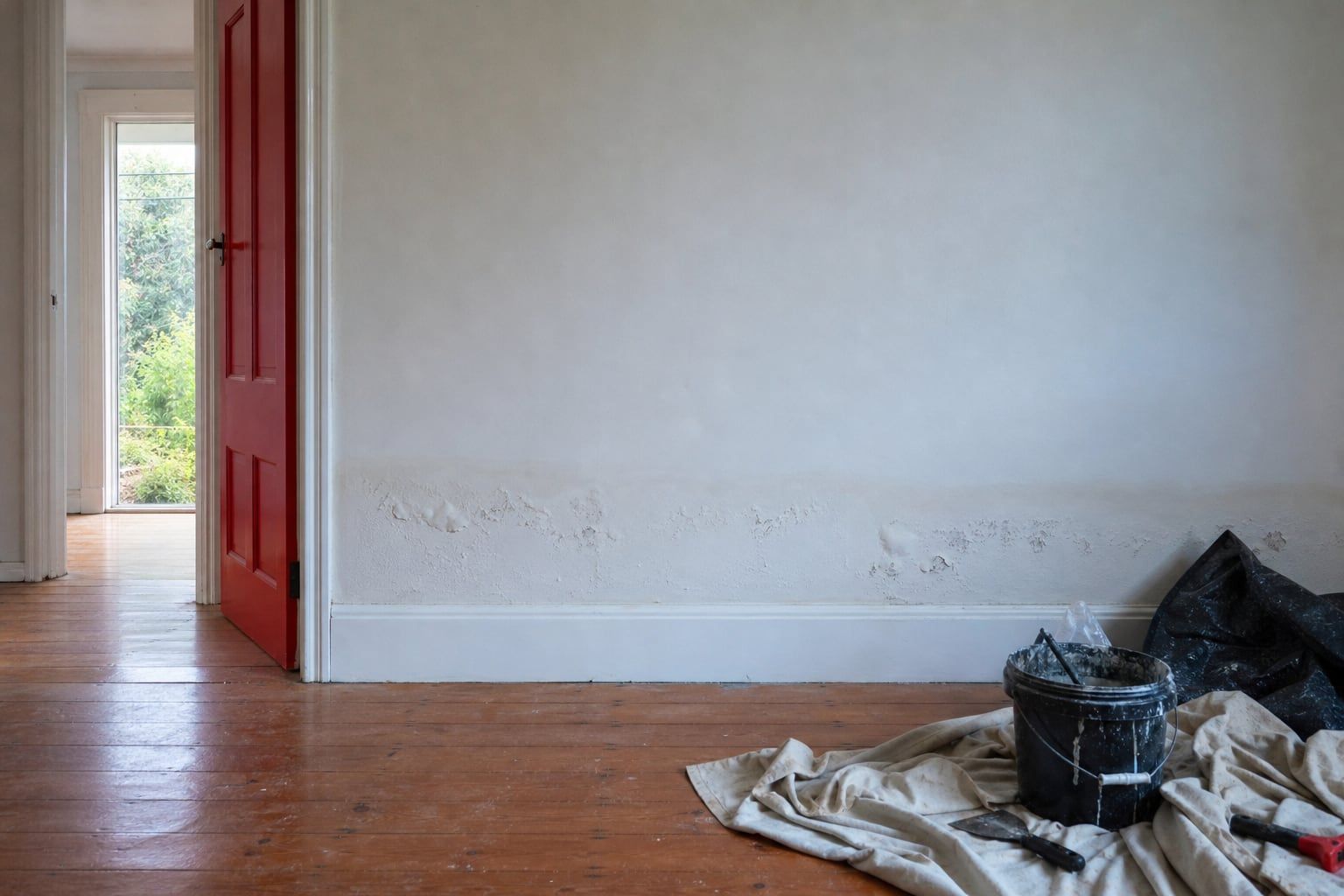
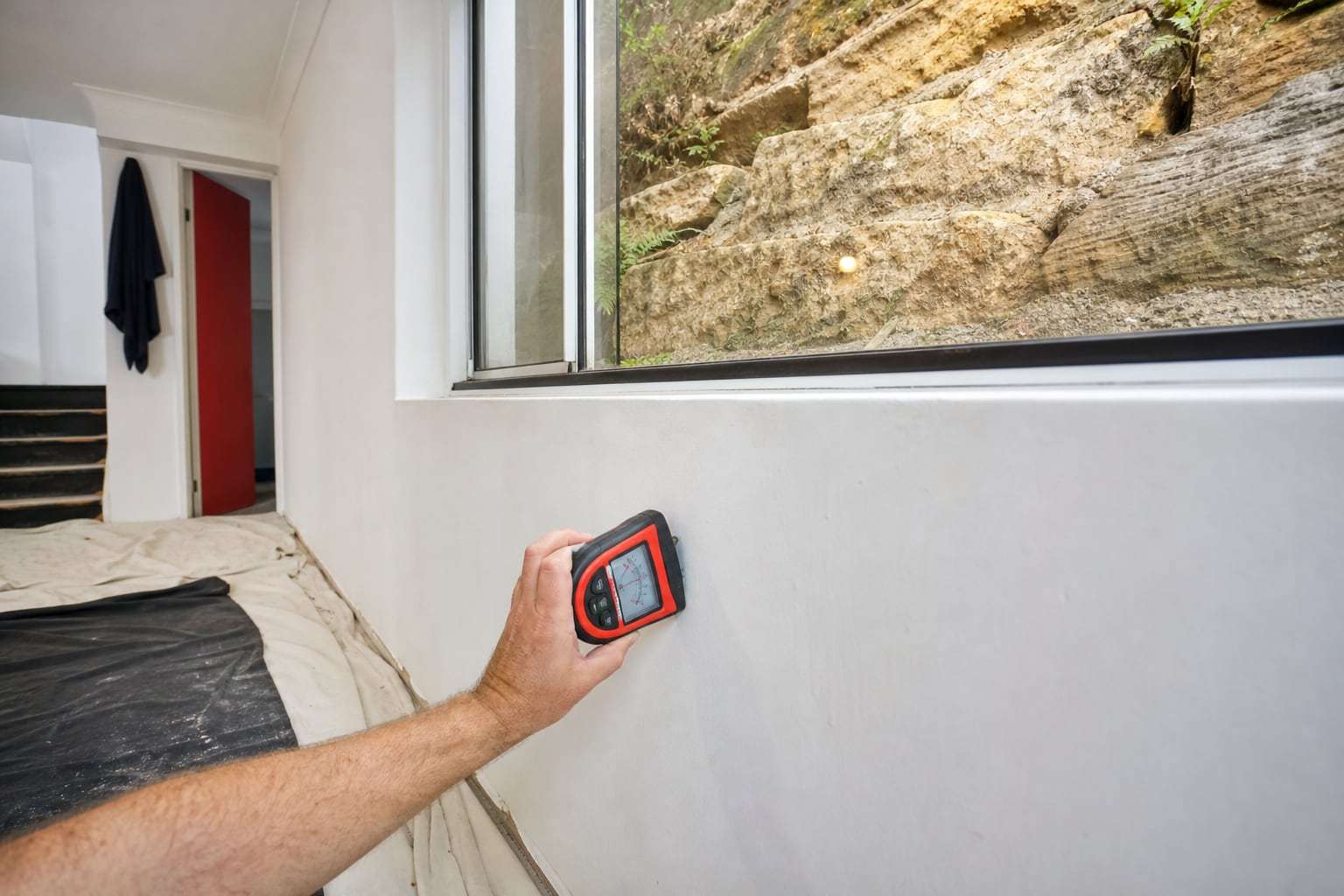
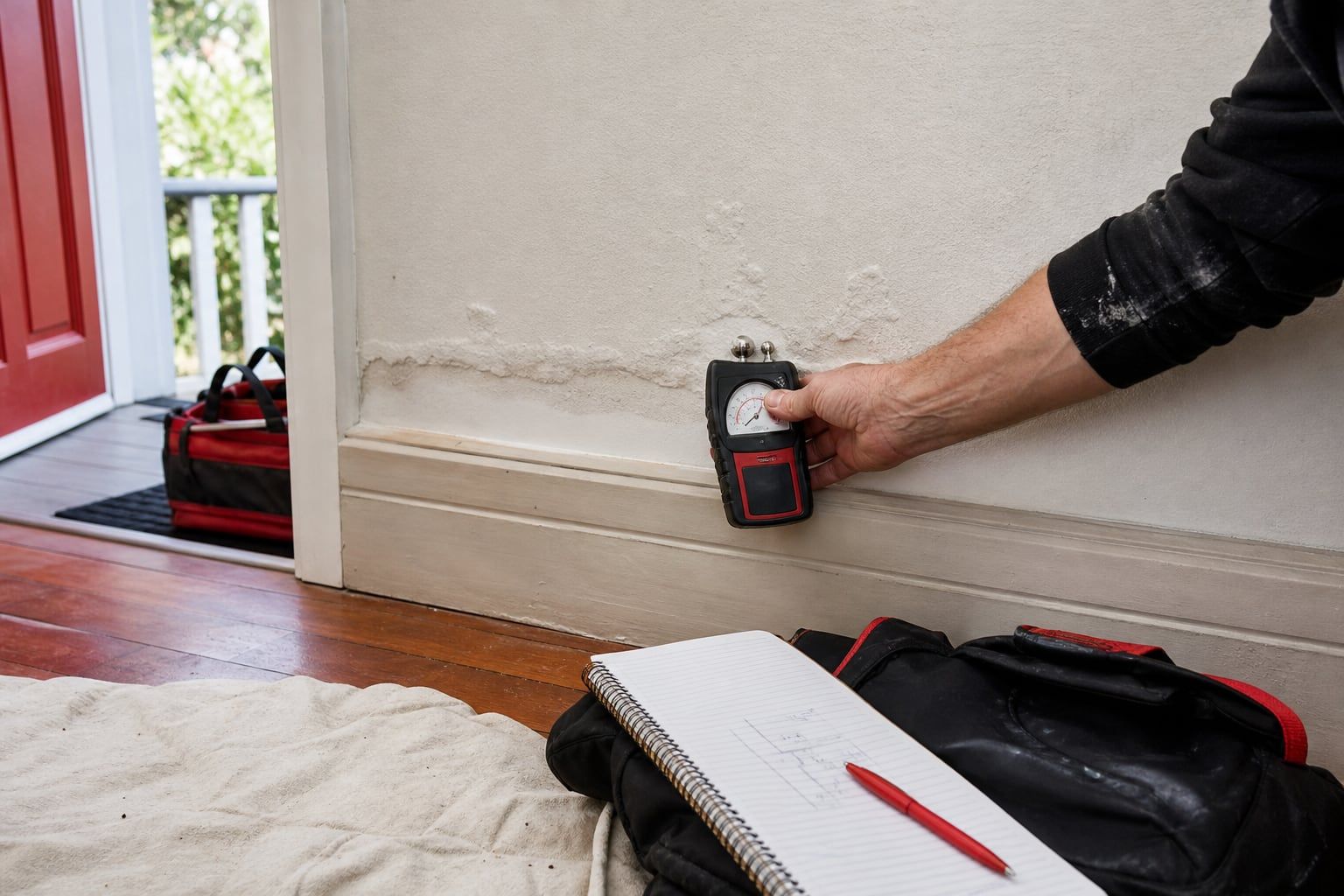
Each affected wall. Readings low and higher up, along the wall and on both sides of any corner, so we can see the pattern. True rising damp sits evenly along the base and fades out below about a metre. Water from the hill is heaviest on the uphill wall and worse after rain. Backyard water concentrates where paving or the pool surround meets the house.
Surface and depth. Salt in render, including salt carried in from the ocean around Cronulla, Kurnell and Bundeena, reads as water. Deeper readings separate the two.
A salt check on the plaster or render.
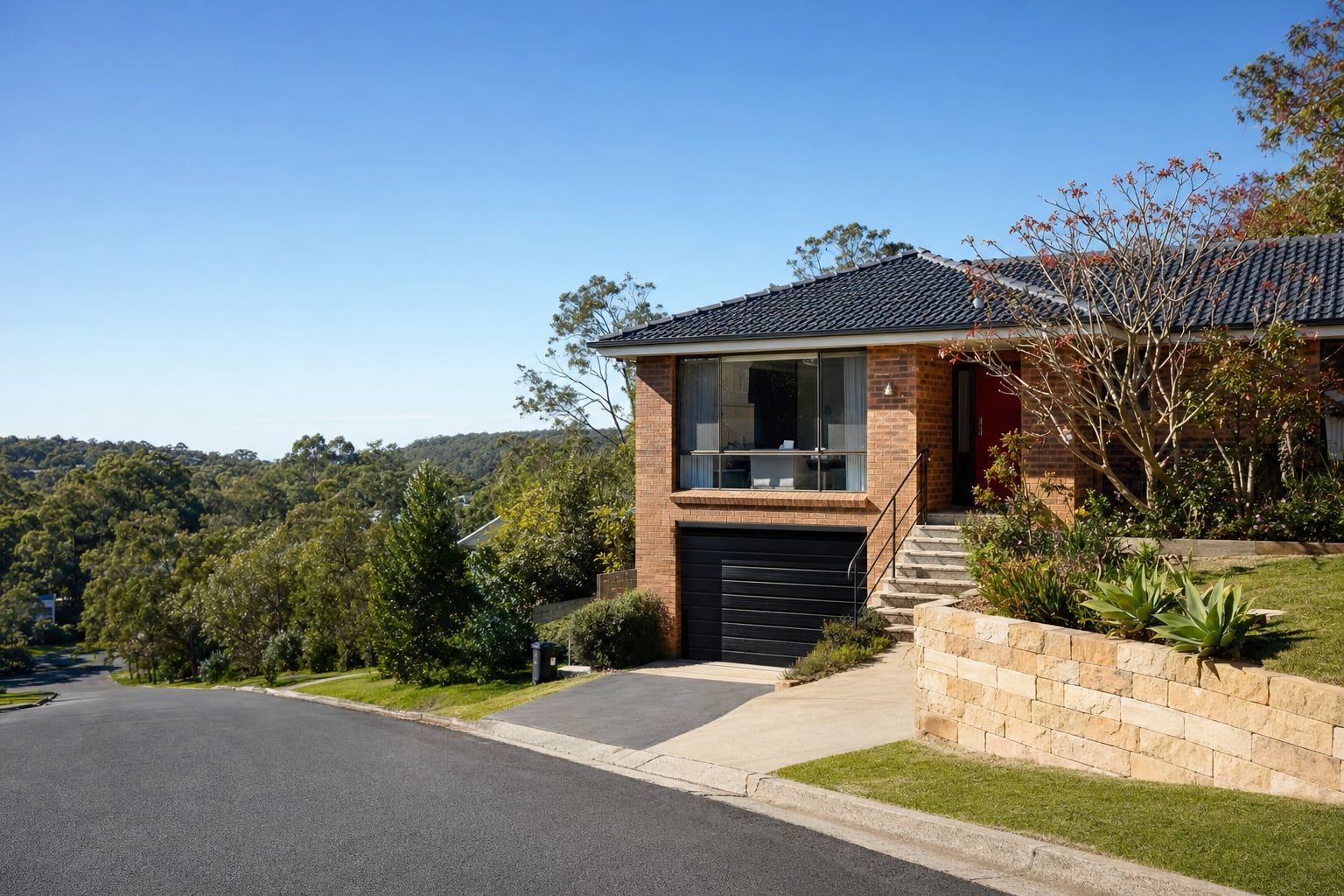
The slope and retaining walls. On split-level homes we look above the house: where water collects, whether retaining walls are drained, and how close soil and rock sit to the lower walls.
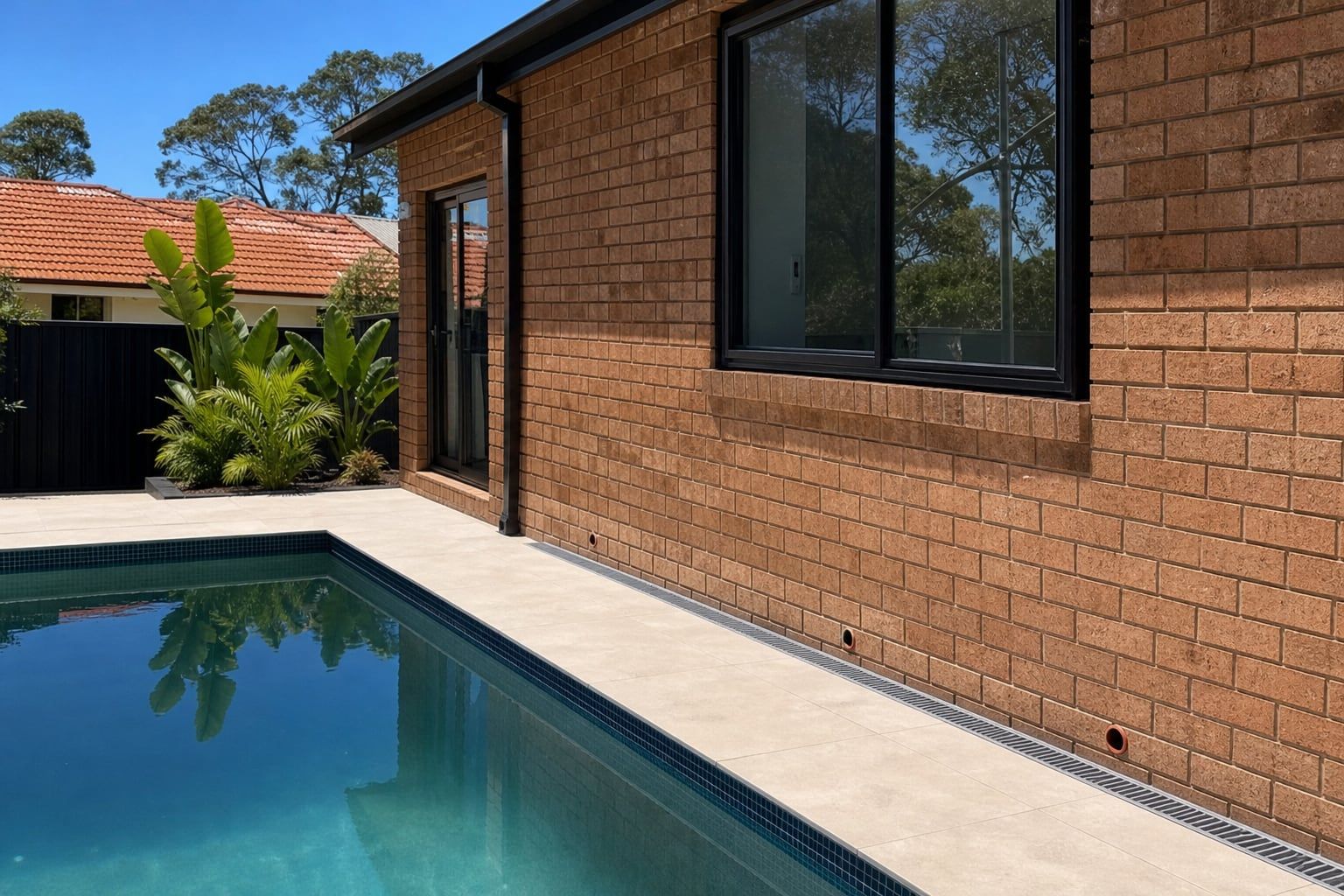
The backyard. Pool coping and paving levels against the damp course and weep holes, which way they fall, where pool overflow and downpipes go.
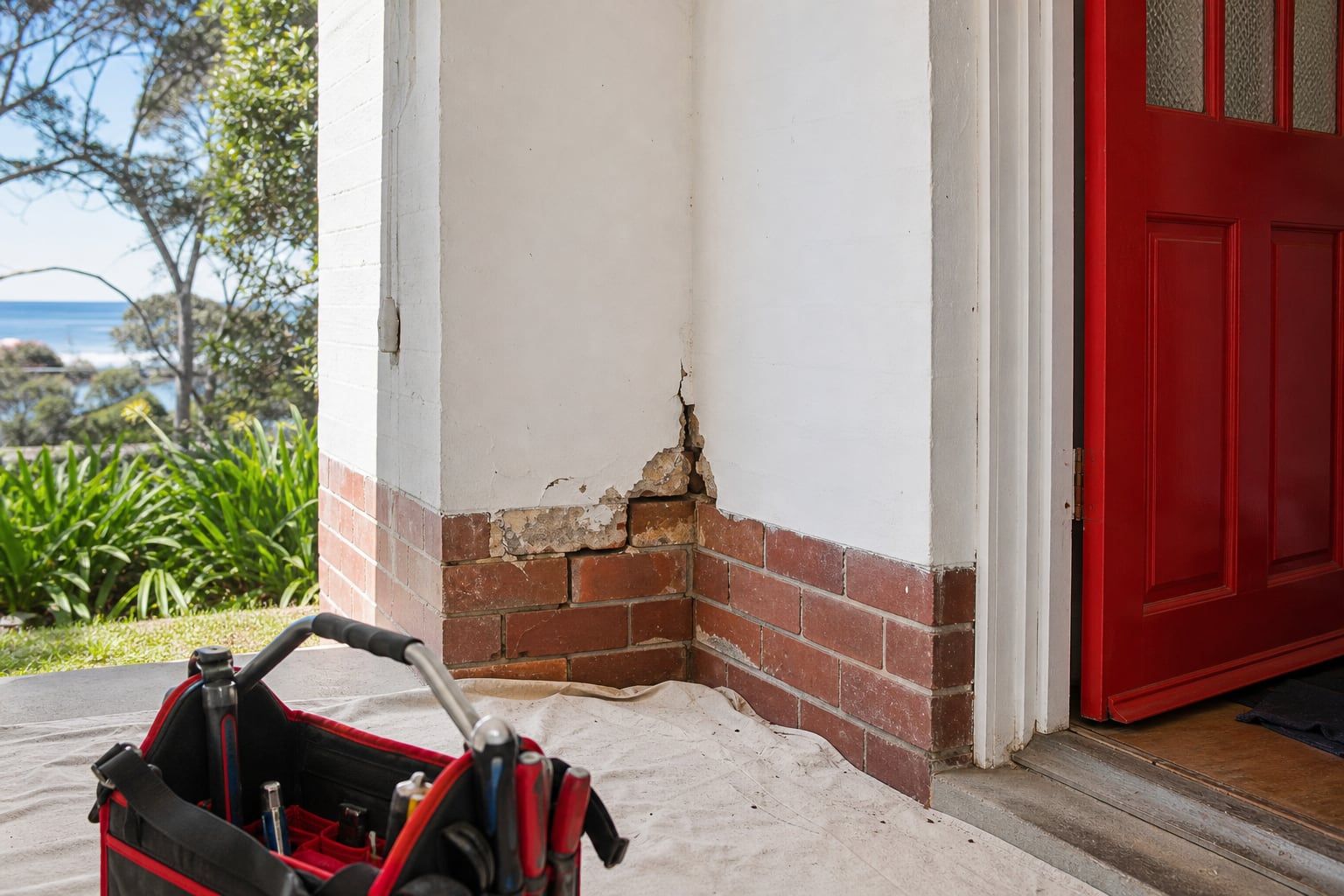
Weep holes. On cavity brick and veneer homes, whether the small gaps at the base of the brickwork are open or buried.
The subfloor. Soil moisture, vents and timber moisture under any timber floor.
What you get
On the day, a plain explanation of what’s wetting the walls and what would fix it. If work is needed, a written quote follows, wall by wall, with the method and price.
In the Shire the fix is often simpler than people expect: lowering a strip of paving, adding a drain along the back wall, clearing weep holes or connecting a downpipe. When that’s enough, we’ll tell you.
Good reasons to book
- A downstairs room or rumpus room smells musty or feels damp after rain.
- Paint is lifting on the walls beside the pool or patio.
- Skirtings are swelling or plasterboard is stained low down.
- Mould keeps coming back in the same place.
- You can’t see weep holes around the base of the house.
- You’re buying a split-level or a 1970s brick home and want to know what you’re taking on.
Split levels and backyards
Our guides on damp in split-level homes and pool surrounds and damp walls explain the two causes we find most often in the Shire.
Mould
If mould sent you here, start with the inspection. Mould grows where something keeps a surface damp, and we find what that is. Our page on mould prevention explains how we stop it returning. We don’t clean or remove mould.
What happens after
If it’s true rising damp, our rising damp treatment page covers the repair. If you’re still working out the signs, see the rising damp symptoms page.
Why we walk the whole block
A reading on a damp wall only tells you it’s wet. It doesn’t say why. In the Shire, the why is usually somewhere you can’t see from inside the room: a retaining wall holding wet soil, paving that falls toward the back door, or a deck sitting over the only vents on that side of the house. Finding it is the difference between a fix that lasts and a wall that’s damp again next winter.
Updated
What good damp inspection looks like
Damp Inspection in the Sutherland Shire: step by step
- Tell us whereSend the form with your address; a photo of the problem area is handy.
- Read the wallsMeter readings low and high on each affected wall, surface and deeper, and a salt check.
- Walk the blockSlope and retaining walls, pool surround and paving levels, weep holes, downpipes and the subfloor.
- Clear answerThe cause explained on site, with a written quote afterwards if work is needed.
Damp Inspection across the Sutherland Shire
Damp Inspection questions in the Sutherland Shire
Something else on your mind? Call 02 9158 9929 and ask.
How much is an inspection?
It's free, with no obligation to go ahead.
My downstairs room is damp. Will you check the hillside too?
Yes. On split-level homes we look at the slope, retaining walls and drainage above the house, because that's often where the water comes from.
Do you check the pool area?
Yes. Pool surrounds and paving laid at door height or falling toward the house are a common cause of damp back walls in the Shire.